Trauma’s Insomnia: A Nervous System Perspective
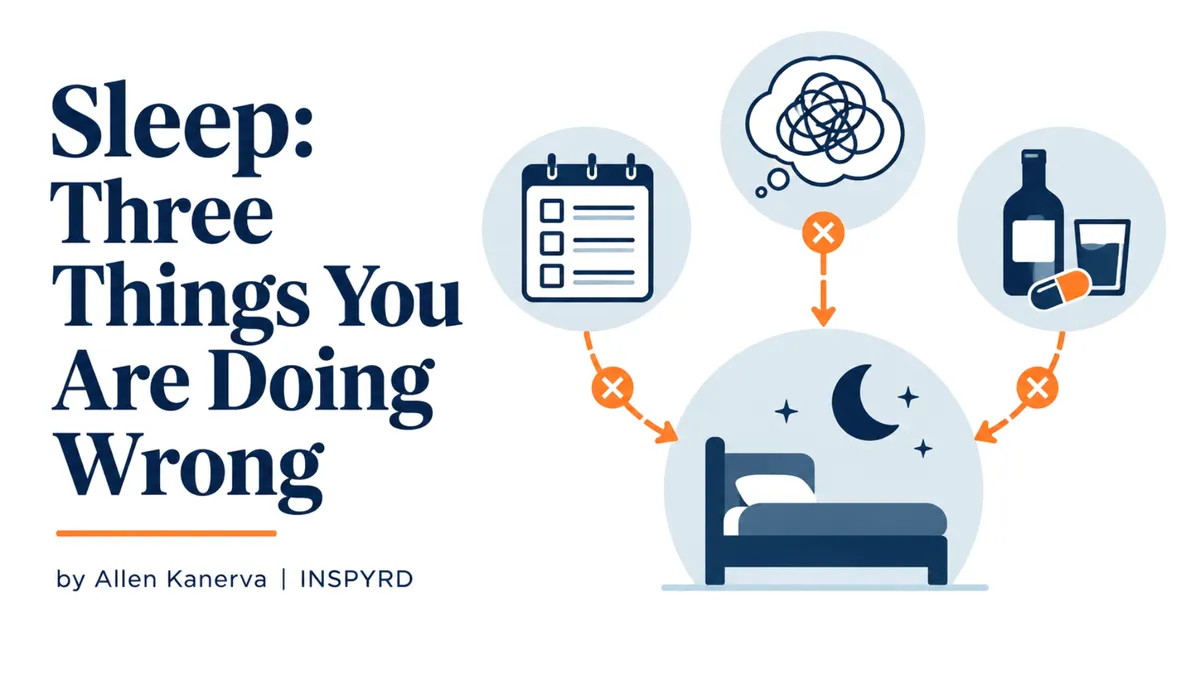
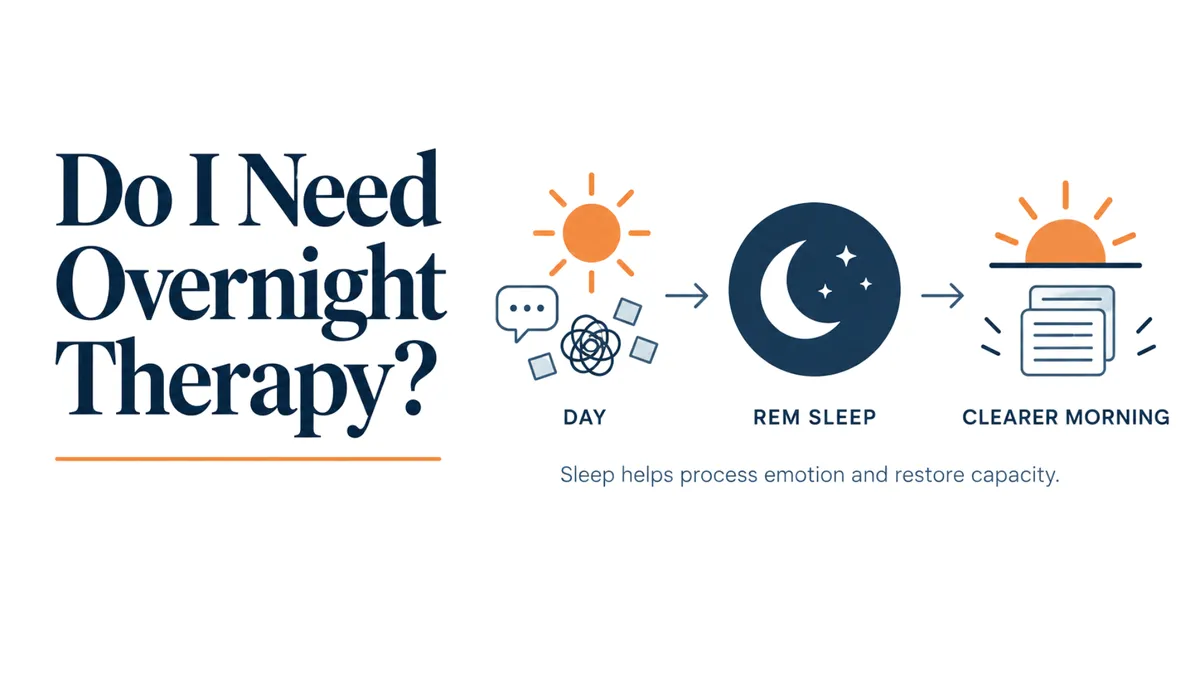
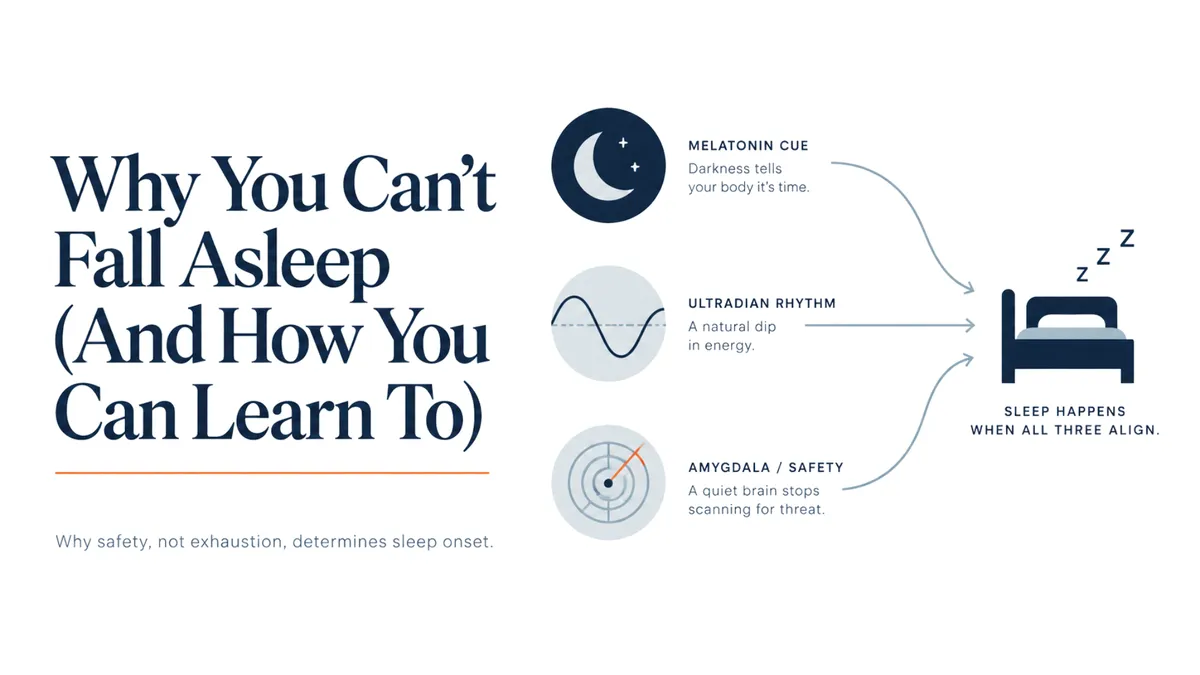
Trauma-related insomnia isn’t about doing sleep “wrong.” It’s your nervous system staying on alert, rest arrives only when your body feels safe enough to stand down.
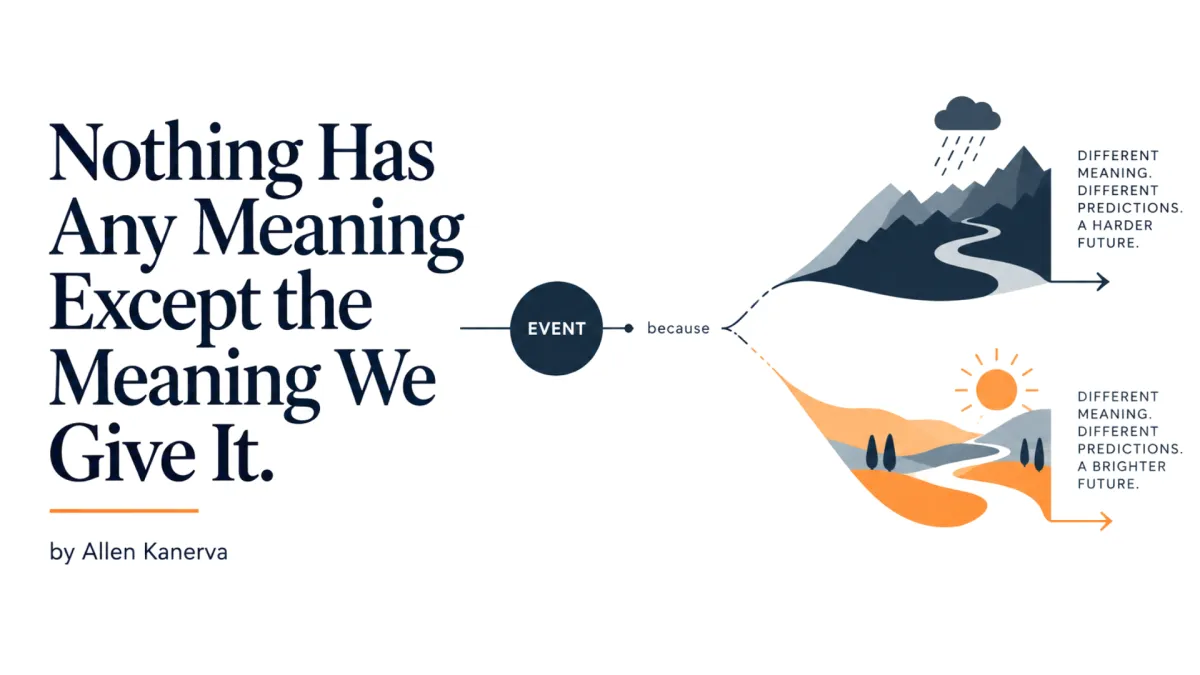
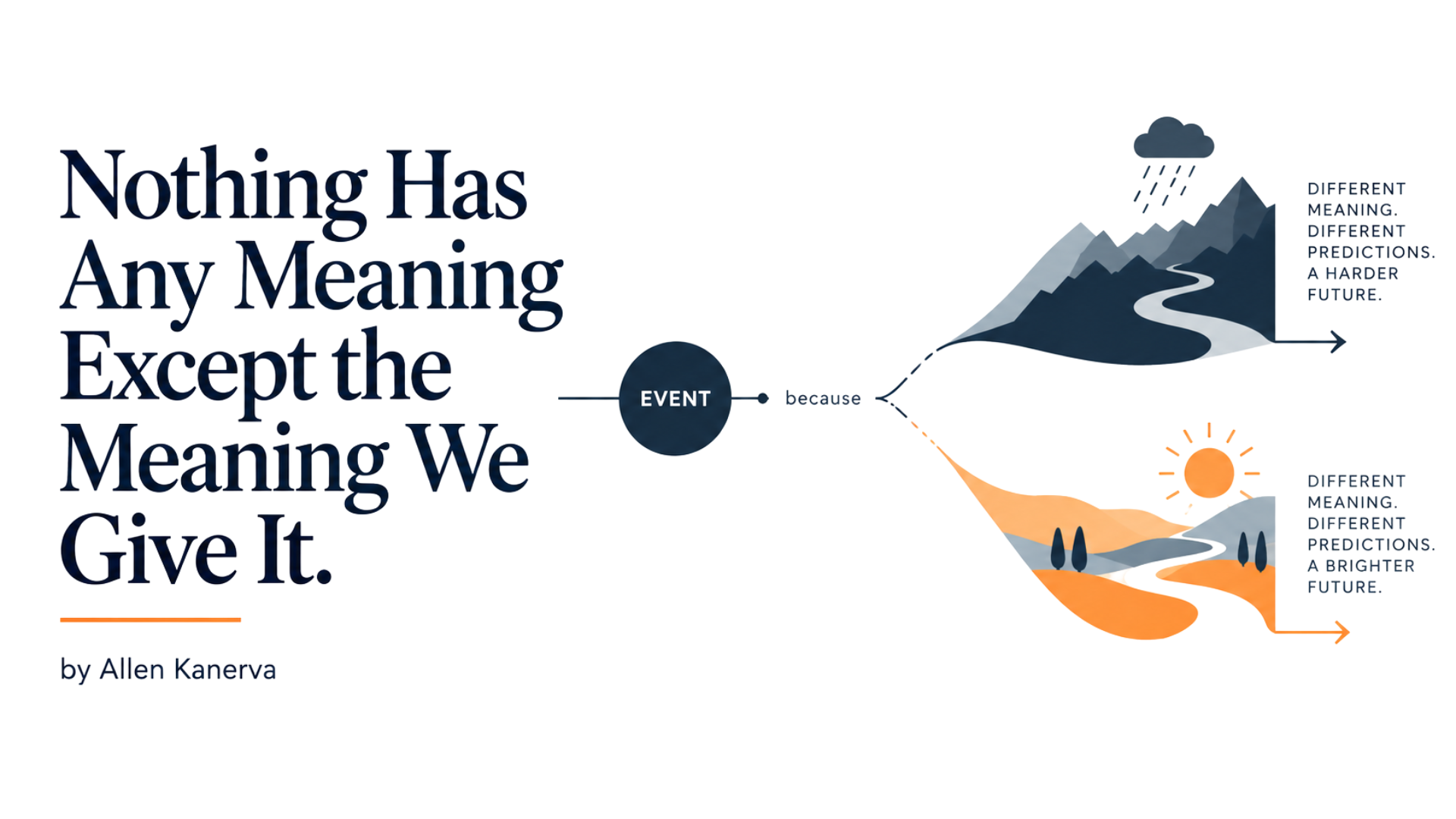
Trauma isn’t the story - it’s unresolved affective memory driving prediction and reaction. Real change doesn’t come from insight, but from updating the pattern through memory reconsolidation at the level of the nervous system.
Trauma isn’t the story - it’s unresolved affective memory. Real change happens when you safely activate and update that memory, removing emotional charge so the nervous system stops predicting threat.
Most approaches target symptoms - but neuroscience shows the real issue is unresolved affective memory. When the brain keeps predicting threat, patterns like anxiety and insomnia persist. Lasting change happens when the underlying memory is updated, not just managed.
Trauma isn’t the memory. It’s the charge the nervous system is still carrying. This article breaks down how trauma is stored as affective memory, why the brain keeps predicting threat, and how unresolved emotional patterns drive activation, sleep disruption, and reactivity-long after the event is over.