Trauma’s Insomnia: A Nervous System Perspective
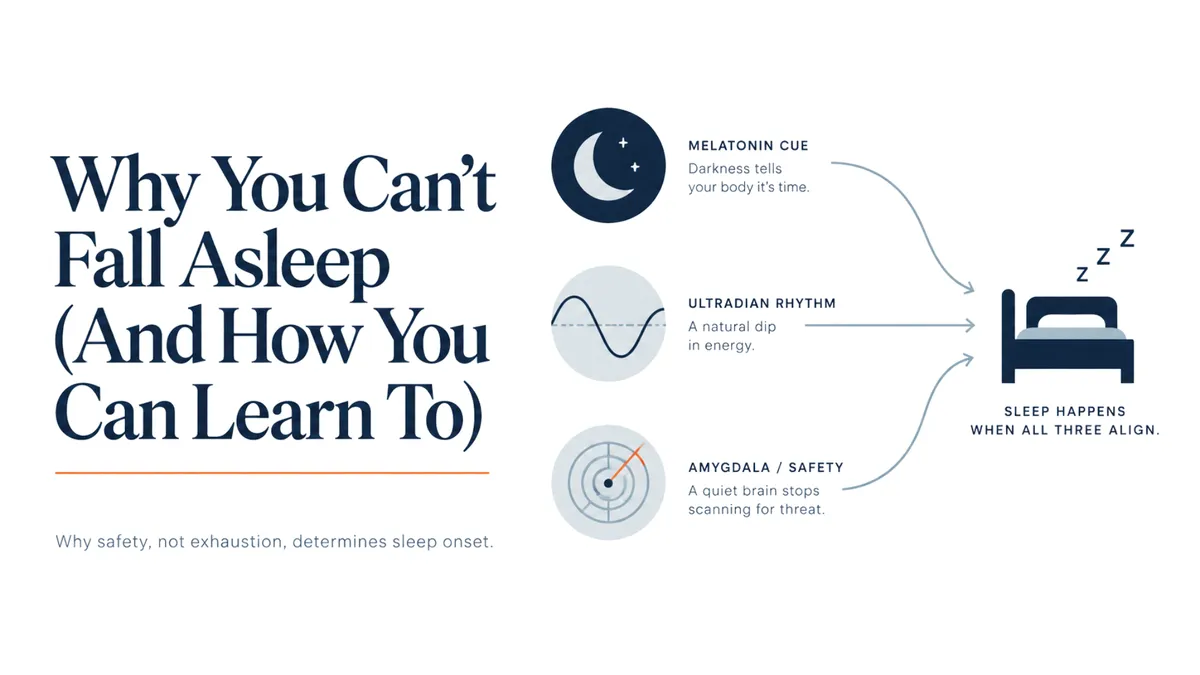
Trauma-related insomnia isn’t about doing sleep “wrong.” It’s your nervous system staying on alert, rest arrives only when your body feels safe enough to stand down.
Change isn’t about motivation it’s about structure. In The Dynamic of Change, we explore a neuroscience-based system that explains how identity, behavior, and nervous system regulation evolve over time. By understanding cognitive dissonance, measurement, feedback, focus, and behavioral flexibility, transformation becomes predictable instead of frustrating. This is not self-help rhetoric it’s the mechanics of real change.
Procrastination is commonly framed as laziness, poor time management, or a lack of discipline. That interpretation is incomplete.
Trauma-related insomnia isn’t about doing sleep “wrong.” It’s your nervous system staying on alert, rest arrives only when your body feels safe enough to stand down.
Trauma isn’t about weakness. It’s your nervous system stuck in survival mode. Breath. Movement. Rhythm. Predictable signals. These retrain your body to feel safe again. You’re not broken. You’re biologically ready to heal.